
When the Capital Runs Dry: Building Social Resilience Through Operations
How to reweave our social fabric in public spaces when top down funding evaporates.

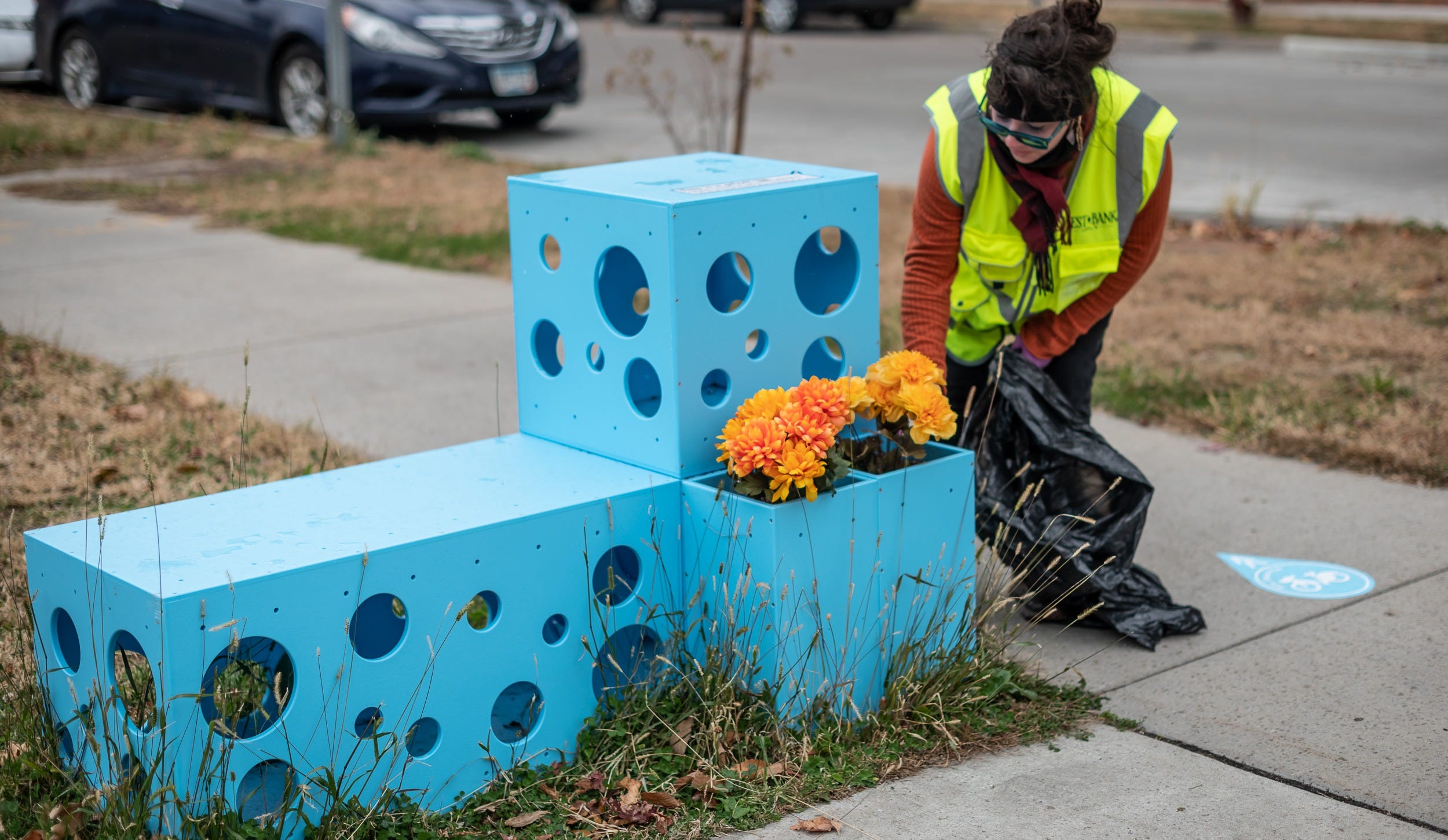
I’ve often said that we Americans love to build but we hate to maintain. We’ll build new shiny buildings and infrastructure in the face of - even adjacent to - neglect and decay. The results are a weak or nonexistent web of social and economic life, with the new building-objects (sometimes) successful for a time, but then usually succumbing to the effects of being and surrounded by neglect.
A major factor in this dynamic is the orientation of local governmental units being overly focused on obtaining capital funds from larger state and federal sources. The possibility of getting huge influxes of outside capital distort the decision making, causing locales to:
Build big without the ongoing resources to maintain
Ignore doing the (many small) things that actually cultivate the fine web of daily economic and social life
When the spigot runs dry
The recent election of Trump points towards a decidedly icy view of largesse towards Democratic voting urban centers. Growing fears of civic and climate crisis are leading more people to refocus on the importance of our neighborly relationships to weather the possible storms.
But sadly, the typical American public realm discourages just the sort of relationship cultivation we so desperately want, crisis or not.
The silver lining of losing the possibility of gaining “free” money from the feds is an opportunity for municipalities to rethink how they can support a more vibrant public life through their own actions - from creating and paying for big projects to the daily use, care, and maintenance of what they have.
It’s an invitation to bring the creativity of capital projects into the daily life of operations. To actually integrate pilots, experimentation and incremental change into the core operations of municipal actions, especially in the domains of transportation, parks, and public works.
“Culture eats strategy for breakfast” - Peter Drucker
The aforementioned change will take more than just a succinct strategy, but a dramatic shift in the culture, incentives, and authority within organizations.
As we discussed in our last post (The Great Ribbon Cutting Divide), we face a status quo with severely imbalanced incentives and placement of authority which is a cause and effect of the top down funding model.
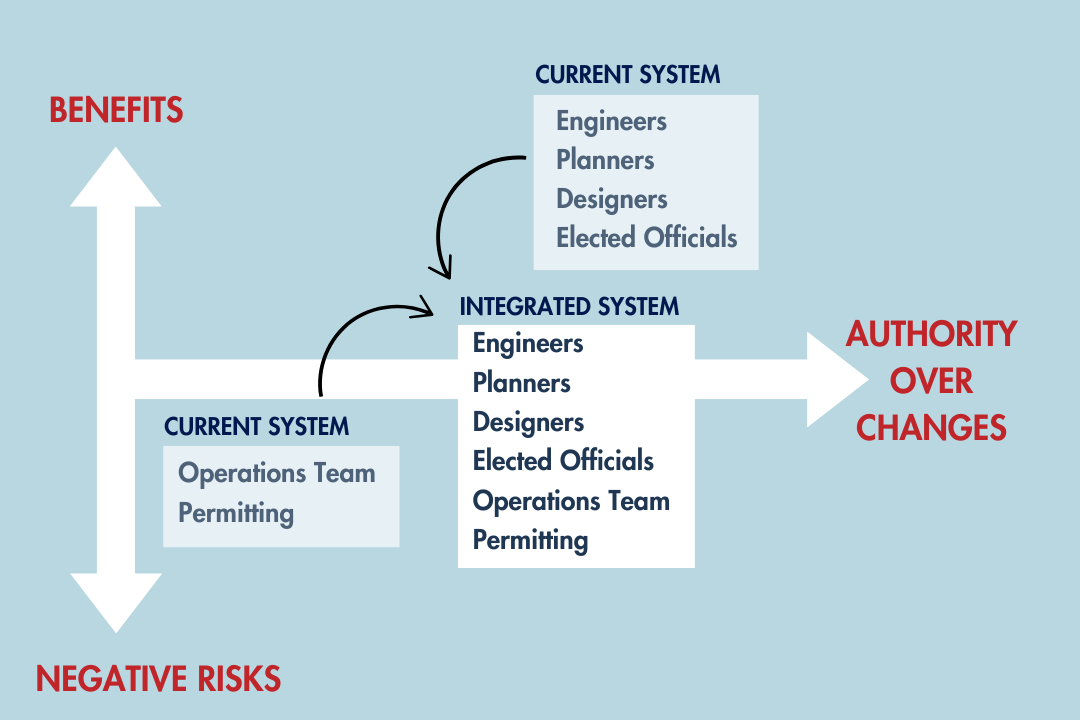
Our work then is to integrate our work to:
Place meaningful authority and resources with those who are close to the ground and responsible for the space on a daily basis; and
Ensure that those with authority have incentives that balance both the benefits and negative risks of their actions.
Constraints can foster creativity. We can take our evolving crisis as an opportunity for community members, elected officials and public agency staff to shift how we work together to create places and futures that we want to live in - at a time when it’s rarely been more important.
But it requires not new money and words, but the emotional risk of opening ourselves up to a new way of working together.